
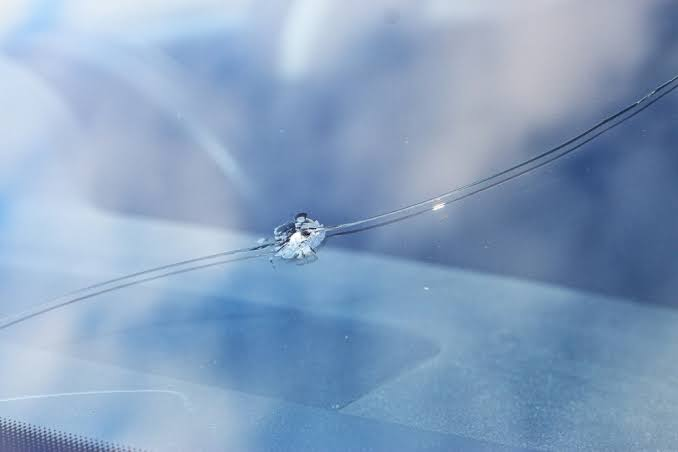
Got a Chip in Your Windscreen? Here’s What You Need to Know Before It Spreads
Windscreen chip repair Isle of Man
Introduction
It happens in a split second. A stone flicks up off the road, hits your windscreen, and leaves a small mark. You glance at it, think “that’s tiny,” and carry on with your day.
But that tiny chip is already a problem. And as the colder months roll in across the Isle of Man, it’s about to get worse.
A chip that could have been repaired in 30 minutes can quickly turn into a full windscreen replacement costing significantly more. The good news? If you act early, it’s a quick, simple fix.
Here’s everything you need to know.
What Exactly Is a Windscreen Chip?
A windscreen chip is a small point of damage where an object — usually a stone or piece of road debris — has struck the glass at speed.
Your windscreen isn’t a single sheet of glass. It’s made up of two layers of glass with a thin layer of plastic (called PVB) sandwiched between them. This laminated construction is what stops the windscreen from shattering on impact.
When a stone hits, it typically damages the outer layer of glass, leaving a small mark. That mark is your chip.
Chips come in different forms:
- Bullseye — A circular chip with a cone-shaped piece of glass missing. Looks like a dark circle on the screen.
- Star break — A central impact point with small cracks radiating outward like a star.
- Half moon — Similar to a bullseye but only a partial circle.
- Combination break — A mix of the above, with both a central impact point and extending cracks.

Most chips are smaller than a 5p coin. At that size, they’re almost always repairable. But leave them, and that changes fast.
How Do Chips Happen?
Chips are one of the most common forms of vehicle damage, and they can happen to anyone. The most frequent causes include:
- Loose stones and gravel — Kicked up by the vehicle in front of you, especially on country roads, construction zones, or freshly surfaced roads.
- Road debris — Small pieces of grit, gravel, or even fragments from other vehicles.
- Following too closely — The closer you are to the vehicle ahead, the more likely you are to catch a stone at speed.
- Motorway and fast road driving — Higher speeds mean higher impact force, even from tiny stones.
- Weather conditions — Storms and high winds can throw debris onto the road that wouldn’t normally be there.

On the Isle of Man, our mix of country roads, loose surfaces, and seasonal weather makes chips a regular occurrence. If you drive here, it’s not a question of if — it’s when.
Why Chips Get Worse: Temperature, Time, and Neglect
Here’s where it gets serious. A chip doesn’t just sit there. It’s under constant stress, and several factors can cause it to spread into a crack without warning.
Temperature Changes
This is the big one — and it’s especially relevant right now as we head into autumn and winter.
Glass expands in heat and contracts in cold. When temperatures drop overnight and then rise again during the day, your windscreen goes through repeated cycles of expansion and contraction. Every cycle puts stress on the edges of that chip.
Common scenarios that cause chips to spread:
- Cold mornings — Frost overnight contracts the glass, pulling at the chip edges.
- Blasting the heater — You get in on a freezing morning and crank the hot air directly onto the windscreen. The sudden temperature difference between the inside and outside of the glass creates thermal stress. That’s often all it takes to turn a chip into a crack.
- De-icer and hot water — Pouring warm or hot water onto a frozen windscreen is one of the fastest ways to crack it. The rapid temperature change is too much for damaged glass to handle.
- Direct sunlight after a cold night — Even the autumn sun warming one side of the screen while the other stays cold can be enough.

Vibration and Road Impact
Every bump, pothole, and speed cushion sends vibrations through the glass. Over time, these micro-movements work away at the chip, gradually extending it.
Moisture and Dirt
Water gets into the chip and sits in the damaged area. When temperatures drop, that moisture freezes and expands — pushing the crack open from the inside. Dirt and grime also fill the chip, making it harder to repair cleanly the longer you leave it.
Time
Simply put, the longer you wait, the more likely the chip is to spread. What starts as a 30-minute repair becomes a full windscreen replacement.
When Can a Chip Be Repaired?
A chip can usually be repaired if:
- It’s smaller than a 10p piece
- It’s not directly in the driver’s line of sight (a critical zone roughly the size of an A4 sheet in front of the steering wheel — repairs here are subject to stricter criteria)
- The damage hasn’t spread into a running crack
- It hasn’t been contaminated with dirt or moisture over a long period
- If it is NOT located in the black band surrounding the glass
The repair process involves injecting a clear resin into the chip under pressure. The resin fills the damaged area, bonds the glass back together, and is then cured with UV light. It restores the structural integrity of the windscreen and prevents the chip from spreading further.
The whole process takes around 30 minutes.

If the chip has already spread into a crack, or it’s in a position that compromises visibility, a full windscreen replacement becomes the only safe option. That’s why acting quickly matters so much.
What Should You Do Right Now?
If you’ve got a chip in your windscreen — even a small one — don’t wait for it to spread. Here’s what to do:
Option 1: Book Online
Use our online booking system to schedule a chip repair at a time that suits you:
Pick a date and time, and we’ll have it sorted for you.
Option 2: Just Turn Up
No appointment needed. We offer a walk-in arrive and inspect service at our workshop. Simply drive in, and we’ll inspect the chip and repair it while you wait.
Most repairs are completed in around 30 minutes.
No booking. No hassle. Just turn up, grab a coffee, and drive away with it done.
Why Act Now?
With autumn and winter on the way, temperatures on the Isle of Man are about to start dropping. That means:
- Frosty mornings putting stress on your glass
- Heaters blasting against cold windscreens
- More rain forcing moisture into existing chips
- Rougher road conditions increasing vibration
Every cold night is another chance for that chip to spread. A repair today could save you the cost of a full replacement next month.
What Happens If You Leave It Too Long?
Let’s be straight about it:
| Chip Repair | Full Replacement |
|---|---|
| 30 minutes | Several hours |
| Low cost | Significantly more expensive |
| Original windscreen kept | Entire windscreen replaced |
| No recalibration needed (in most cases) | ADAS recalibration often required |
| Drive away same day | May need to wait for glass availability |
Copy table
A chip repair is always the better outcome — for your time, your wallet, and your windscreen.
Conclusion
A windscreen chip might look like nothing. But it’s a weak point in the glass that’s under constant stress from temperature changes, vibration, moisture, and time.
The longer you leave it, the more likely it is to spread — and once it cracks, repair is no longer an option.
Don’t wait for a cold morning to make the decision for you.
Book your chip repair online or simply drive in to our workshop for a no-appointment inspection. We’ll have it sorted in 30 minutes while you wait.
No responses yet